Our mission is to be the design partner who keeps fintech companies aligned on the right problems, not just the obvious ones.
Our mission is to be the design partner who keeps fintech companies aligned on the right problems, not just the obvious ones.






Generalist design doesn’t work in fintech.
It slows teams down.
It creates rework.
And it pushes risk to engineering and compliance.
Most fintech products don’t fail because the idea was bad.
They fail because early decisions were made without industry context.
That’s why EVOQ exists.
After designing 30+ fintech products, we work with regulatory awareness, technical understanding, and proven patterns from day one.
The result is fewer iterations, faster shipping, and products built to scale, not just to function.
Generalist design doesn’t work in fintech.
It slows teams down.
It creates rework.
And it pushes risk to engineering and compliance.
Most fintech products don’t fail because the idea was bad.
They fail because early decisions were made without industry context.
That’s why EVOQ exists.
After designing 30+ fintech products, we work with regulatory awareness, technical understanding, and proven patterns from day one.
The result is fewer iterations, faster shipping, and products built to scale, not just to function.
Generalist design doesn’t work in fintech.
It slows teams down.
It creates rework.
And it pushes risk to engineering and compliance.
Most fintech products don’t fail because the idea was bad.
They fail because early decisions were made without industry context.
That’s why EVOQ exists.
After designing 30+ fintech products, we work with regulatory awareness, technical understanding, and proven patterns from day one.
The result is fewer iterations, faster shipping, and products built to scale, not just to function.
Projects shipped
Projects shipped
Projects shipped
Product flows designed
Product flows designed
Product flows designed
User satisfaction score
User satisfaction score
User satisfaction score
Client satisfaction rate
Client satisfaction rate
Client satisfaction rate
THE CORE TEAM
Built by leaders who’ve scaled fintech teams & products.
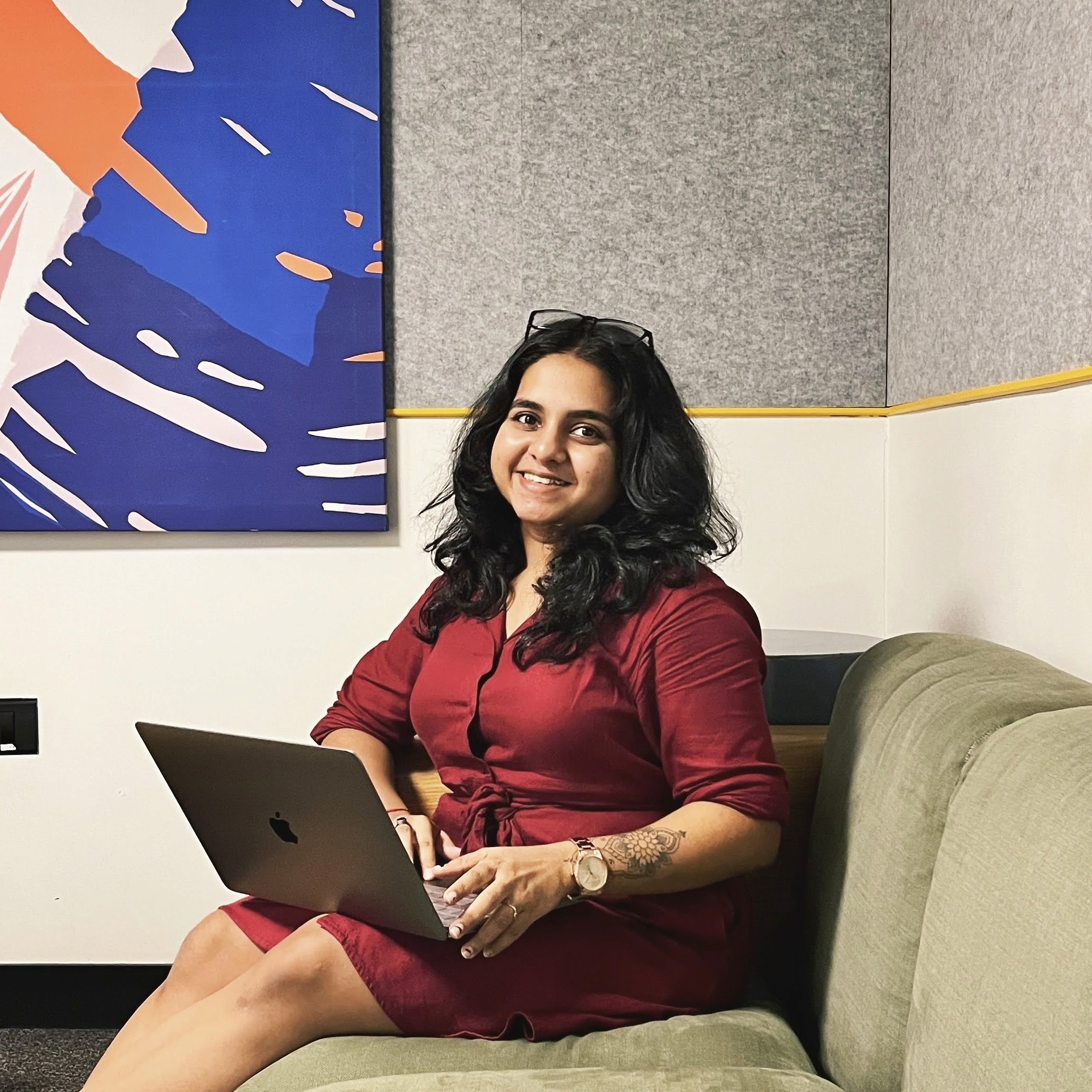
Shriya Kadam
Design, Brand & Growth
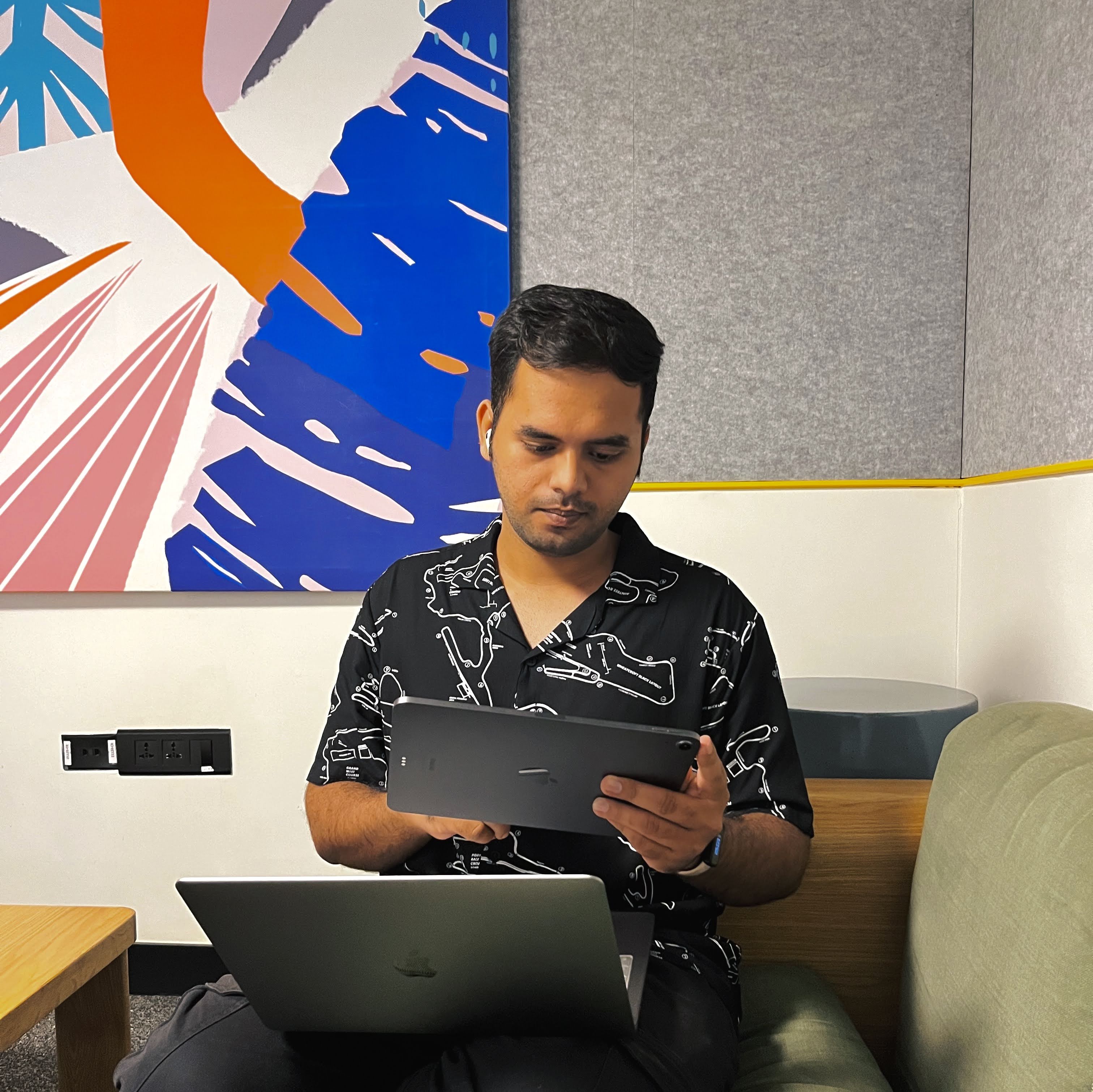
Varad Parulekar
Product, UX & Operations
Common questions, honest answers
Common questions, honest answers

Because generalist design doesn't work well in financial products. Fintech has its own patterns, its own regulatory constraints, and its own user trust dynamics that take time to learn. After 30+ products across banking, insurance, and wealthtech, we've built the kind of domain knowledge that makes us genuinely faster and more accurate than a generalist team. Working outside fintech would dilute that. We'd rather be excellent at one thing than average at many.
Both co-founders Varad Parulekar and Shriya Kadam are directly involved in every engagement. Varad leads product strategy and UX, Shriya leads design direction and brand. Some execution work is shared with our extended team, but all strategy, direction, and quality review goes through the founders. You're not handed off to a junior after the pitch.
We set this up before we start, not after. At the beginning of every project we align on specific business goals, drop-off rates, conversion targets, session duration, lead form submissions and turn those into measurable KRAs. Then we check the work against them at every stage. The AU Small Finance Bank project, for example, was measured against lead form submissions and bounce rate. Results were a 57% increase in submissions and a 23% drop in bounce rate.
Yes. We've worked with clients in the UAE and Saudi Arabia and have designed within SAMA and CBUAE regulatory frameworks. We understand how financial product UX differs between the GCC and India, both in terms of user expectations and compliance requirements. If you're building or expanding in the Gulf, that context matters.
Banking apps, insurance platforms, wealth management dashboards, agent-facing sales tools, customer portals, and financial advisory websites. We've worked across both B2C and B2B fintech products and across mobile and web. If it involves financial services and a user who needs to trust it enough to act, we've likely designed something in that space.
Yes. Most of our clients come in with something already built. We adapt to it, clean it up if needed, and build on top of it rather than starting from scratch unnecessarily. If there's no design system at all, we build one as part of the project, it's not optional for us because it's what makes handoff actually work.
We stay available. Any changes after a fixed-cost project closes are handled on an hourly basis. We don't disappear after handoff, we do walkthrough calls with your developers, help resolve implementation questions, and make sure what gets built matches what was designed. Previous clients always stay a priority.
Our Figma files are clean, component-based, and built with proper design systems and breakpoints from the start, not cleaned up at the end. After handoff we stay involved through walkthrough calls and weekly check-ins until the build is stable. We've worked with enough development teams to know what breaks in translation, so we design to prevent those gaps before they happen.
Because generalist design doesn't work well in financial products. Fintech has its own patterns, its own regulatory constraints, and its own user trust dynamics that take time to learn. After 30+ products across banking, insurance, and wealthtech, we've built the kind of domain knowledge that makes us genuinely faster and more accurate than a generalist team. Working outside fintech would dilute that. We'd rather be excellent at one thing than average at many.
Both co-founders Varad Parulekar and Shriya Kadam are directly involved in every engagement. Varad leads product strategy and UX, Shriya leads design direction and brand. Some execution work is shared with our extended team, but all strategy, direction, and quality review goes through the founders. You're not handed off to a junior after the pitch.
We set this up before we start, not after. At the beginning of every project we align on specific business goals, drop-off rates, conversion targets, session duration, lead form submissions and turn those into measurable KRAs. Then we check the work against them at every stage. The AU Small Finance Bank project, for example, was measured against lead form submissions and bounce rate. Results were a 57% increase in submissions and a 23% drop in bounce rate.
Yes. We've worked with clients in the UAE and Saudi Arabia and have designed within SAMA and CBUAE regulatory frameworks. We understand how financial product UX differs between the GCC and India, both in terms of user expectations and compliance requirements. If you're building or expanding in the Gulf, that context matters.
Banking apps, insurance platforms, wealth management dashboards, agent-facing sales tools, customer portals, and financial advisory websites. We've worked across both B2C and B2B fintech products and across mobile and web. If it involves financial services and a user who needs to trust it enough to act, we've likely designed something in that space.
Yes. Most of our clients come in with something already built. We adapt to it, clean it up if needed, and build on top of it rather than starting from scratch unnecessarily. If there's no design system at all, we build one as part of the project, it's not optional for us because it's what makes handoff actually work.
We stay available. Any changes after a fixed-cost project closes are handled on an hourly basis. We don't disappear after handoff, we do walkthrough calls with your developers, help resolve implementation questions, and make sure what gets built matches what was designed. Previous clients always stay a priority.
Our Figma files are clean, component-based, and built with proper design systems and breakpoints from the start, not cleaned up at the end. After handoff we stay involved through walkthrough calls and weekly check-ins until the build is stable. We've worked with enough development teams to know what breaks in translation, so we design to prevent those gaps before they happen.
Because generalist design doesn't work well in financial products. Fintech has its own patterns, its own regulatory constraints, and its own user trust dynamics that take time to learn. After 30+ products across banking, insurance, and wealthtech, we've built the kind of domain knowledge that makes us genuinely faster and more accurate than a generalist team. Working outside fintech would dilute that. We'd rather be excellent at one thing than average at many.
Both co-founders Varad Parulekar and Shriya Kadam are directly involved in every engagement. Varad leads product strategy and UX, Shriya leads design direction and brand. Some execution work is shared with our extended team, but all strategy, direction, and quality review goes through the founders. You're not handed off to a junior after the pitch.
We set this up before we start, not after. At the beginning of every project we align on specific business goals, drop-off rates, conversion targets, session duration, lead form submissions and turn those into measurable KRAs. Then we check the work against them at every stage. The AU Small Finance Bank project, for example, was measured against lead form submissions and bounce rate. Results were a 57% increase in submissions and a 23% drop in bounce rate.
Yes. We've worked with clients in the UAE and Saudi Arabia and have designed within SAMA and CBUAE regulatory frameworks. We understand how financial product UX differs between the GCC and India, both in terms of user expectations and compliance requirements. If you're building or expanding in the Gulf, that context matters.
Banking apps, insurance platforms, wealth management dashboards, agent-facing sales tools, customer portals, and financial advisory websites. We've worked across both B2C and B2B fintech products and across mobile and web. If it involves financial services and a user who needs to trust it enough to act, we've likely designed something in that space.
Yes. Most of our clients come in with something already built. We adapt to it, clean it up if needed, and build on top of it rather than starting from scratch unnecessarily. If there's no design system at all, we build one as part of the project, it's not optional for us because it's what makes handoff actually work.
We stay available. Any changes after a fixed-cost project closes are handled on an hourly basis. We don't disappear after handoff, we do walkthrough calls with your developers, help resolve implementation questions, and make sure what gets built matches what was designed. Previous clients always stay a priority.
Our Figma files are clean, component-based, and built with proper design systems and breakpoints from the start, not cleaned up at the end. After handoff we stay involved through walkthrough calls and weekly check-ins until the build is stable. We've worked with enough development teams to know what breaks in translation, so we design to prevent those gaps before they happen.